

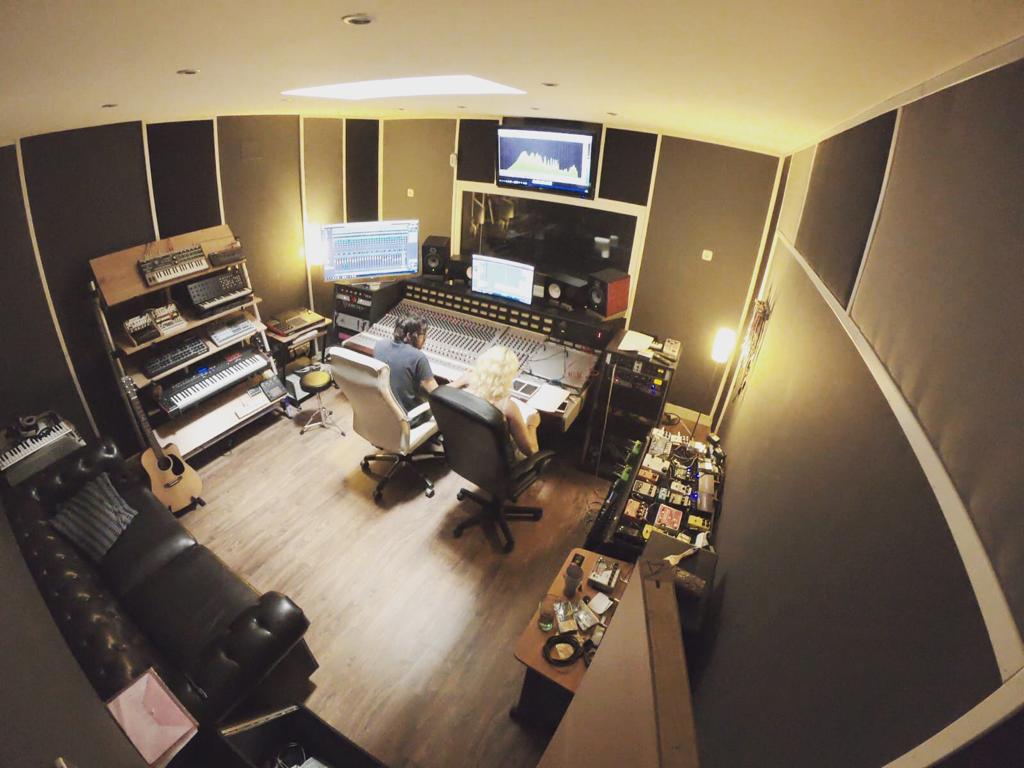
One of the aspects of our Sound Technician Diploma is music production. To learn more about this subject, we spoke with Sergio Molina, a teacher at the MicroFusa School in Madrid
Committed to practically any genre, Sergio Molina is a producer, sound technician, composer, and musician with training in Solfège, Piano, and Harmony. At the MicroFusa School in Madrid, he teaches Music Production in courses such as the Sound Technician Diploma. He is also the founder of Moba Studios, a recording studio in Alcalá de Henares. It features one of the largest rooms among recording studios in Madrid, a control room that blends the analog world with the digital universe, an amplification booth, a kitchen, a lounge with sofas, a television, and everything needed to feel comfortable and inspired. He was awarded the “Best Alternative Pop Album” at the XIV Edition of the Music Awards, alongside Javier Álvarez. His passion for Anglo-Saxon independent productions, from the most retro to the most modern, is a major influence on his work. In composition, he stands out for his more than 500 hours of soundtracks written and produced with participation in series such as Doctor Mateo, Con el Culo al Aire, Cuestión de Sexo, and Gym Tony. We find Sergio studying. It may be surprising for someone with his resume. But it is just another sign of his tenacity and professionalism, and it highlights the importance of continuous training in this industry.His career illustrates the link between teaching and professional practice that is part of the MicroFusa School approach.
He made time for us to have a chat with him about one of the most important aspects of creating a track or an album: music production.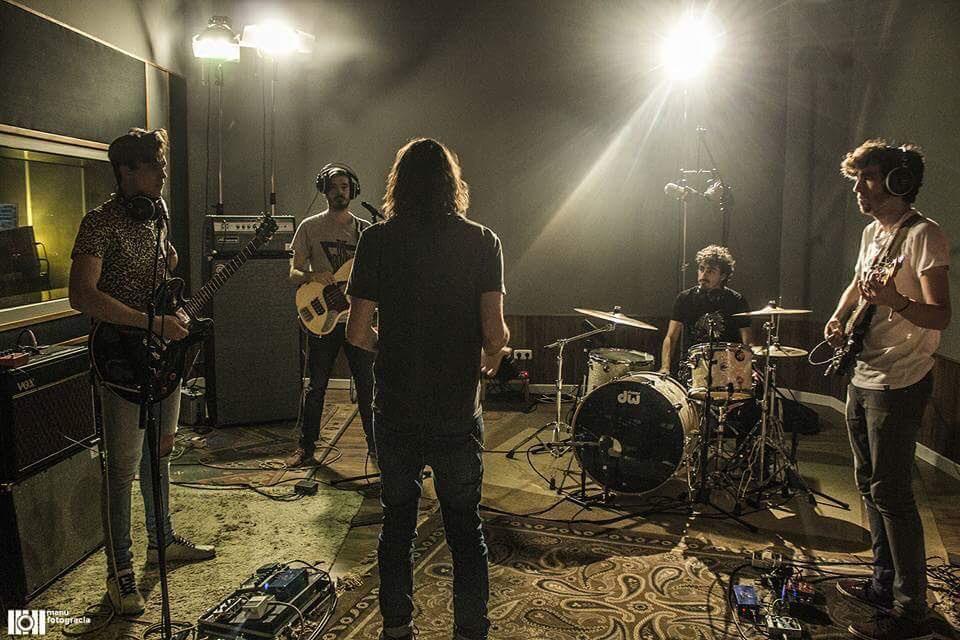
How did you get started in the music world?
I am an only child and didn't have an older brother to introduce me to music. So I had to discover it through research. Do you remember the Max Mix tapes from the 80s? And do you remember cassette tapes? Well, using the classic method of stopping the tapes, I would see how they made them. My parents were intrigued by my passion for music, so they signed me up for conservatory school to study Solfège and Piano. At that time, there weren't many other options either. It was just that then I discovered rock, drums, and keyboards. In the early 90s, I started playing with small bands in Madrid and later with larger bands such as Jet Lag and Sexy Sadie, and I recorded a few albums with Paco Loco and Javier Álvarez (with whom we won an award).You studied solfège, piano, and harmony. How did you discover your interest in music production?
During that time, I started becoming interested in everything related to recording albums, so I studied a module of the Higher Technician in Sound course. Taking advantage of the momentum from the award I had won, I set up a small studio and managed to get into television. It was the early years of this century, and I started with my first soundtracks. That gave me the money to create Moba Studios. And I'm still here, with soundtracks, music production...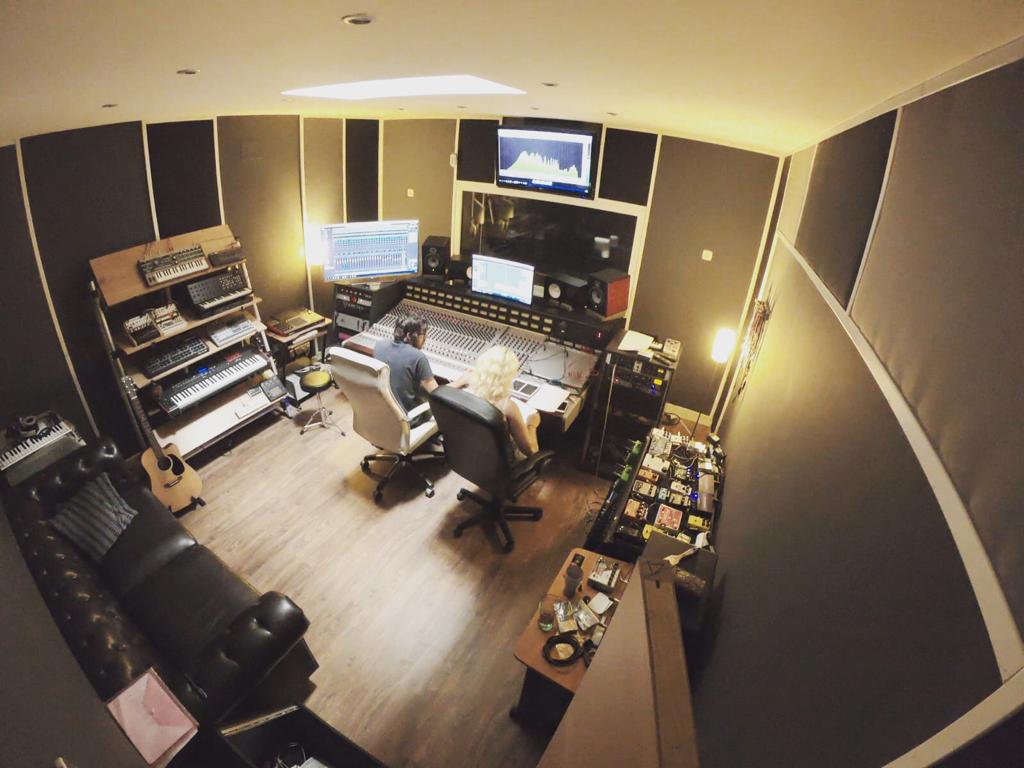
So, what does music production involve? What role does it play in creating a piece of music?
Music production consists of bringing out the best in the song you are given. Beyond arrangements, a song is a succession of chords, harmony, and rhythm. The song is the boss. And, when it comes to producing, you have to pay attention to the band's tastes, their style, the message they want to convey, and how far they want to go. Music production is, ultimately, a combination of creativity and technique. You come across producers who excel more in creativity and others who master technique more. But what really matters is knowing how to combine the two. And for that, you need a global musical vision. You have to help the band with both the artistic and technical aspects; with the chords, the arrangements...What are the keys to achieving a good production? What equipment is needed? What should a good producer be like?
The key is a good song. It is the foundation of everything. As they say, even if you dress a monkey in silk, it's still a monkey. And, I repeat, from there, analyze it well, see where the band wants to go, understand their message, see their sound, and always work in their favor. Paco Loco used to tell me to imagine The Beatles with a different sound. You can't imagine it, can you? The artistic part and the technical part have to go together to achieve the sound that each band needs. One band needs a cleaner sound, another needs a dirtier sound, another more vintage. Underground bands had a dirtier sound, and it is impossible to imagine The Beatles without their very characteristic sound. It is about achieving the perfect balance between sound and creativity. Because every song has its own sound. And a good producer doesn't need much. They must be clear about what they want to do. Have a good idea and work towards it. You don't need an Abbey Road. Of course, with more equipment, everything turns out much better. But, in reality, if you have a clear idea, it is much more important than the equipment you may have.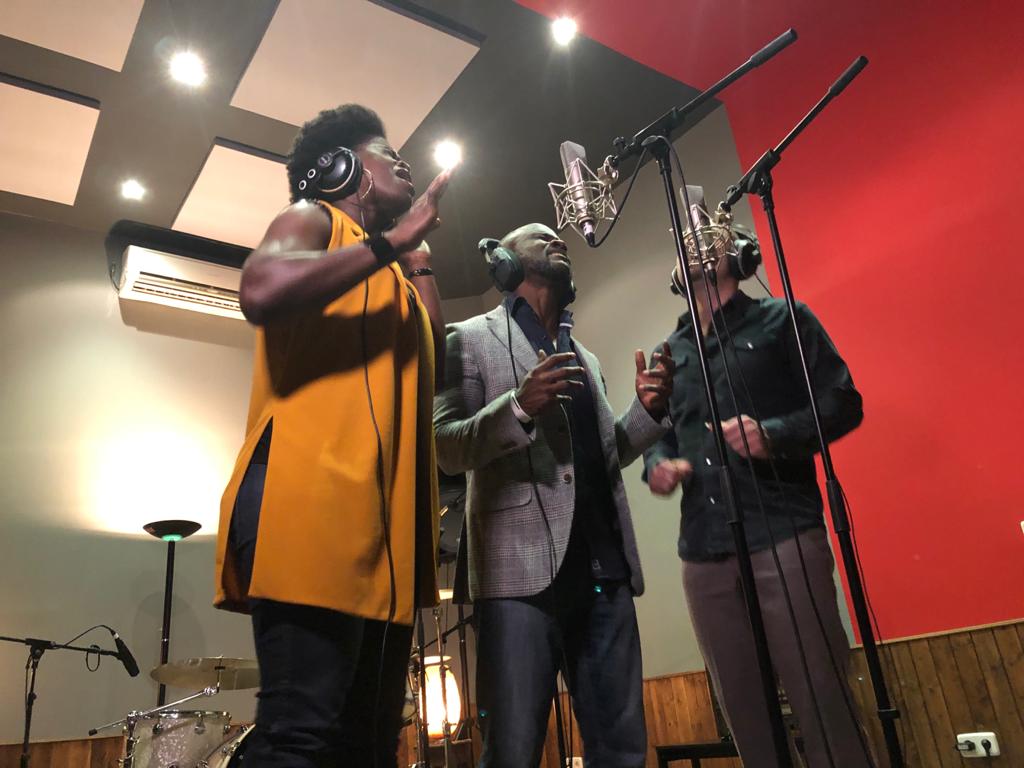
Tell us about Moba Studios. What is your studio like?
Moba Studios is a hybrid between analog and digital. But it makes sense; my generation was trained right between both worlds. For example, I have an MTA-980 mixing console from right around the time Malcolm Toft left Trident, some Echos Premium, some Universal Audio preamps for color, some Betermaker analog compressors that you can control from the computer. Of course, the entire digital computer system, a lot of synthesis machines, drum machines, a room with guitars, amps, and pedals... In short, it is a hybrid studio of technique and creativity.
What professional opportunities are there for training as a music producer or sound technician?
The video game sector is currently very strong. Music and effects are needed, requiring a hybrid of producer, musician, and programmer. Post-production is still working. Working as a producer for series on the new streaming platforms is also still working. And, of course, the music production of new genres such as hip-hop or trap, but above all, electronic music and urban music. We used to see electronic music as the future, but now it is already the present. Anyone who wants to train as a music producer or sound technician must learn to master electronic devices. Electronics are important. On the other hand, there is something in live performances, but at the moment, things are not exactly booming. And there is also something at the podcasting level on social media. But there isn't much money, and it is a very difficult world.What would you advise those who want to get started in this industry?
That they really like it and feel true passion for it. Otherwise, there will be people who pass them by on the left and right. And that they be very professional: with delivery times, capacity, and quality. It is a very beautiful world, but you have to work hard. It is also important to know a little bit of everything: live performances, video games, a little music... The more you can cover, the more options you will have.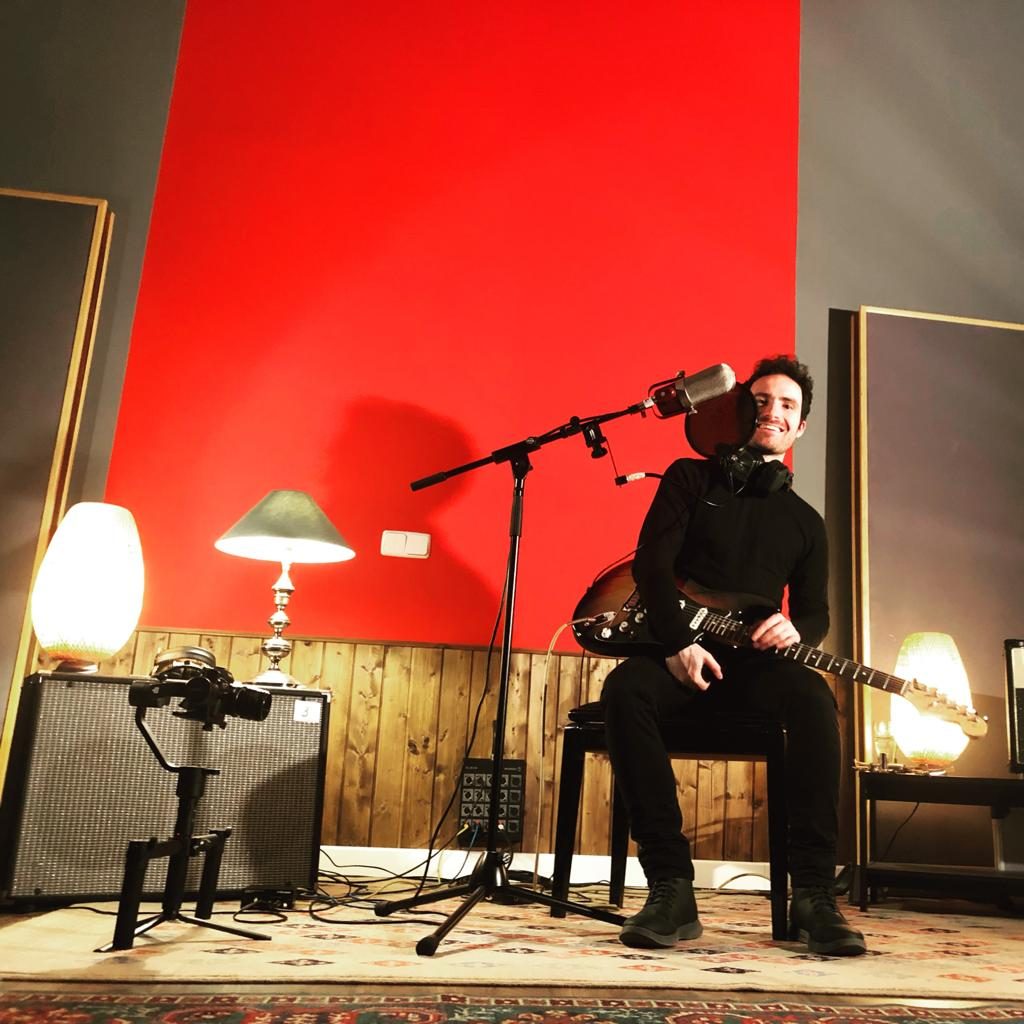 Sergio Molina has told us a few very interesting things about how to get started in the music world and about music production, an important discipline in courses such as the Sound Technician Diploma, but also in other training options you will find in the different courses available at the MicroFusa Schools in Barcelona, Madrid, and also Online. Be like Sergio, train yourself.
MICROFUSA / BARCELONA SCHOOL Ronda Guinardó, 65. Barcelona / Tel.: 934 353 688 MICROFUSA / MADRID SCHOOL Paseo de Juan Antonio Vallejo – Nájera Botas, 59. Madrid / Tel.: 917 024 592 MICROFUSA / ONLINE TRAINING