The
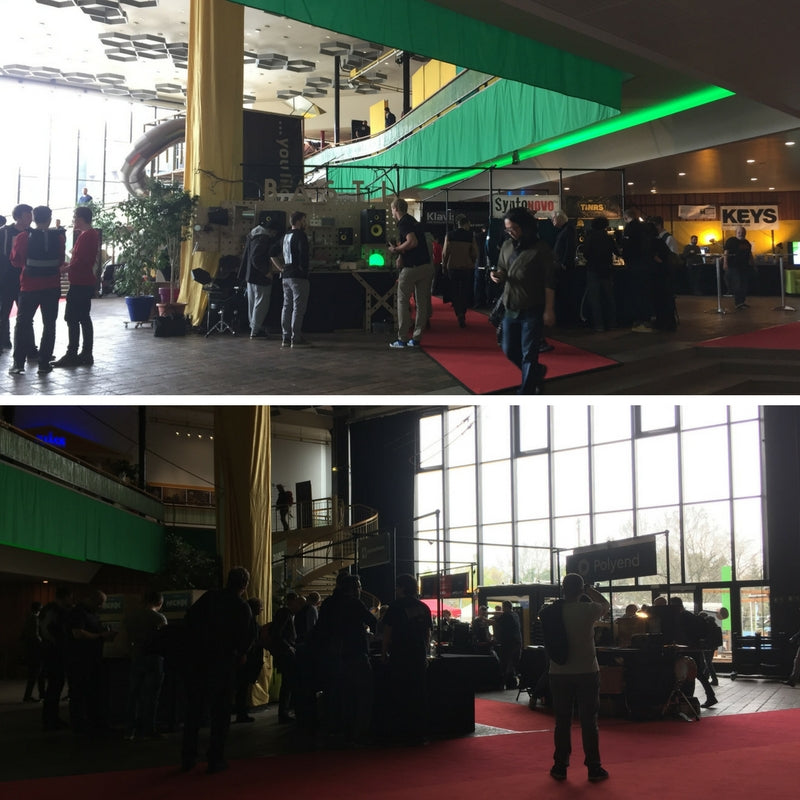
microFusa team wanted to be present for this second year of the
Berlin Superbooth fair - an event
specializing in synthesizers and music technology where we are in our element. We bring you a few brushstrokes of some of the news that have caught our attention the most and, of course, from our favorite brands.
One of the biggest surprises has been the presentation by
Novation of
two major releases of which we are sure will be a great
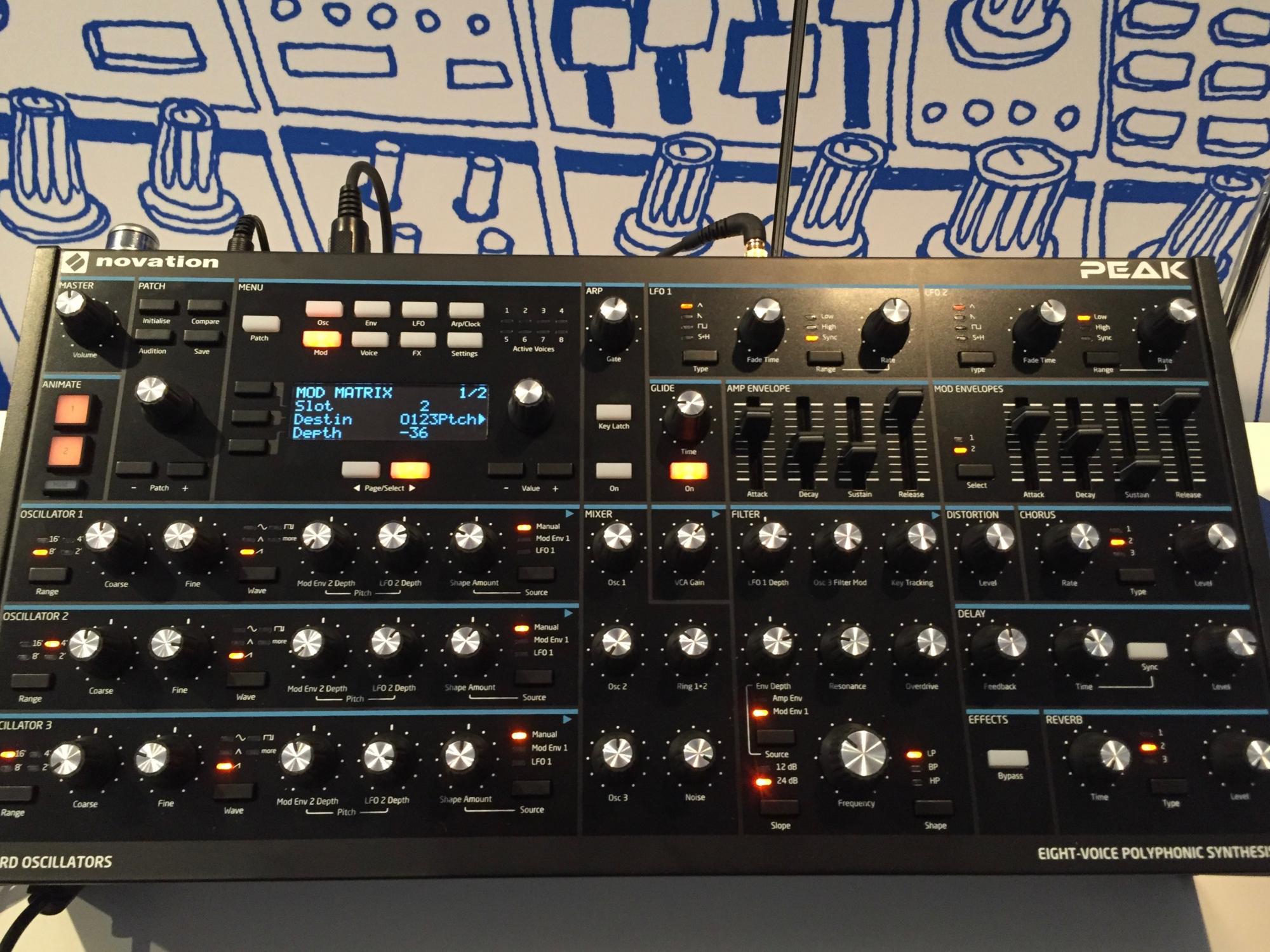
success among synthesizer lovers. The first of them is
Novation Peak, it is an
8-voice polyphonic synthesizer with three fantastic Oxford oscillators, with a
hybrid analog-digital architecture.
It is capable of emulating classic waves along with a
17-position wavetable. The NCO oscillators are powered by an
FPGA system that works at 24Mhz with 1-bit technology to offer a wide resolution in wave generation. The range of sounds it is capable of generating goes from
incredible pads, through ambiences and drones to
deep or fully sawed basses. The VCFs, VCOs, amplifiers and some in-line distortions are completely analog within a partially digital signal, it includes two LFOs and as we have already said, its
three Oxford oscillators.
Another of the novelties presented by Novation was the
Mono Station, of which we could call the
“Circuit Family”, which we sense will continue to grow and offer us a whole ecosystem of products aimed at creation, production and live performance. The
Novation Circuit Mono Station, is a
paraphonic analog synthesizer with a 3-track sequencer. We could say that Mono Station is the
fusion between the renowned
Bass Station II and the new universe created by
Circuit. It has
32 RGB pads sensitive to velocity, includes
two oscillators that are controlled independently, in addition to including
4 waveforms and a sub-oscillator and an overdrive effect.
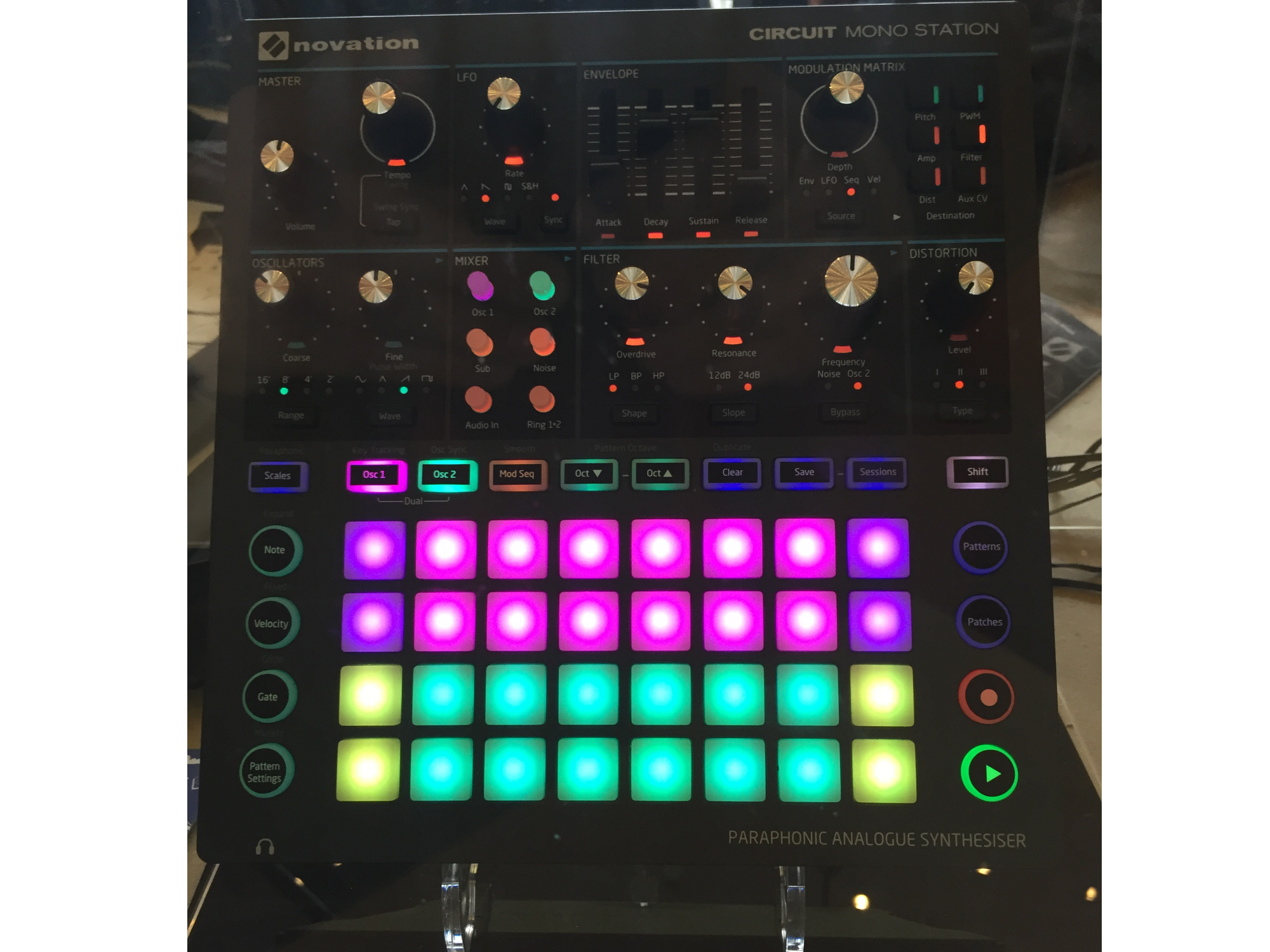
The synthesizer has the possibility of also working in
monophonic mode. The three tracks included in the
Mono Station are divided into two for the oscillators and one for modulation. With the
modulation matrix we can make complex configurations, load and
save up to 64 patches. To be able to
connect to endless hardware it includes midi in, midi out and midi thru in addition to CV, Gate, modulation and audio input with which you will process all that signal you can think of. It includes a USB bus with which we can transfer patches in a simple way, all thanks to the
Components application that we already know from Circuit.
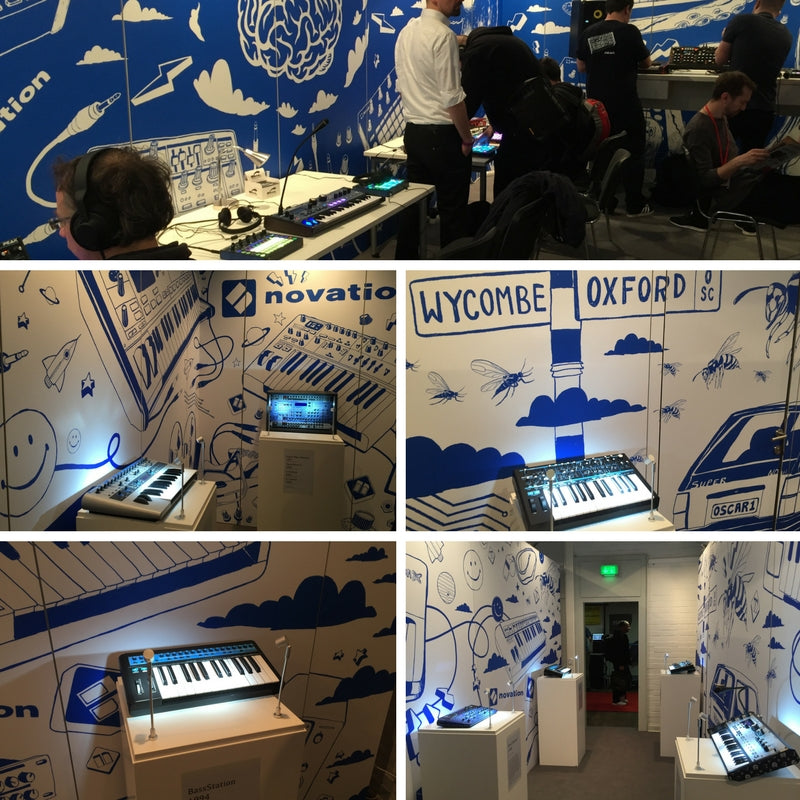
Next, some photos of the space that
Novation had where you can observe the
tribute to all the iconic synthesizers that the brand has developed over the years.
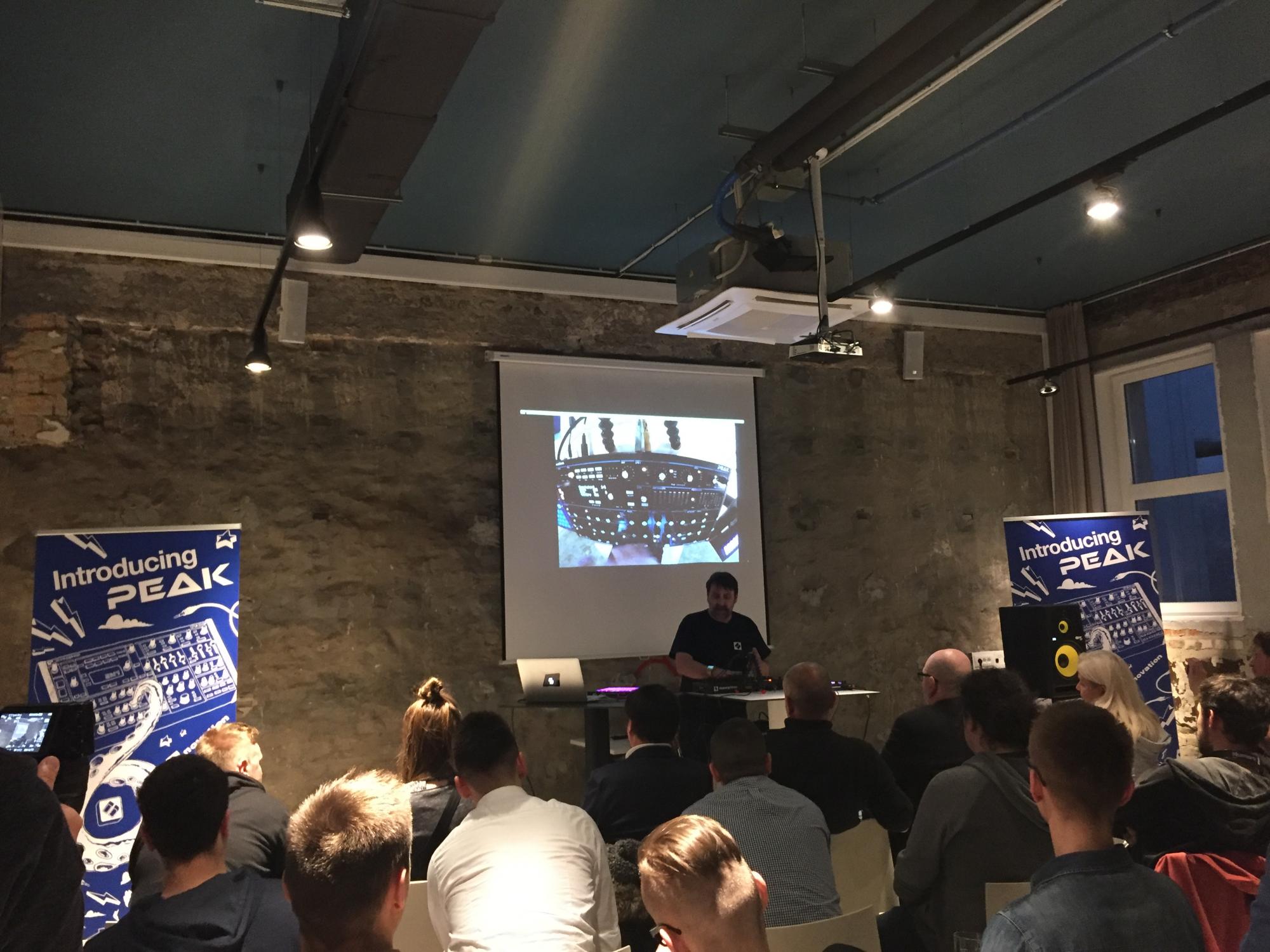
After visiting and poking around every corner of Superbooth and already reaching the night, we had the privilege of being able to attend the
private presentation of these two new products
by Chris Calcutt, product specialist of the brand, he showed us in all detail the potential, the sound quality and the multiple possibilities that
Novation Peak and
Circuit Mono Station offer us.
At the
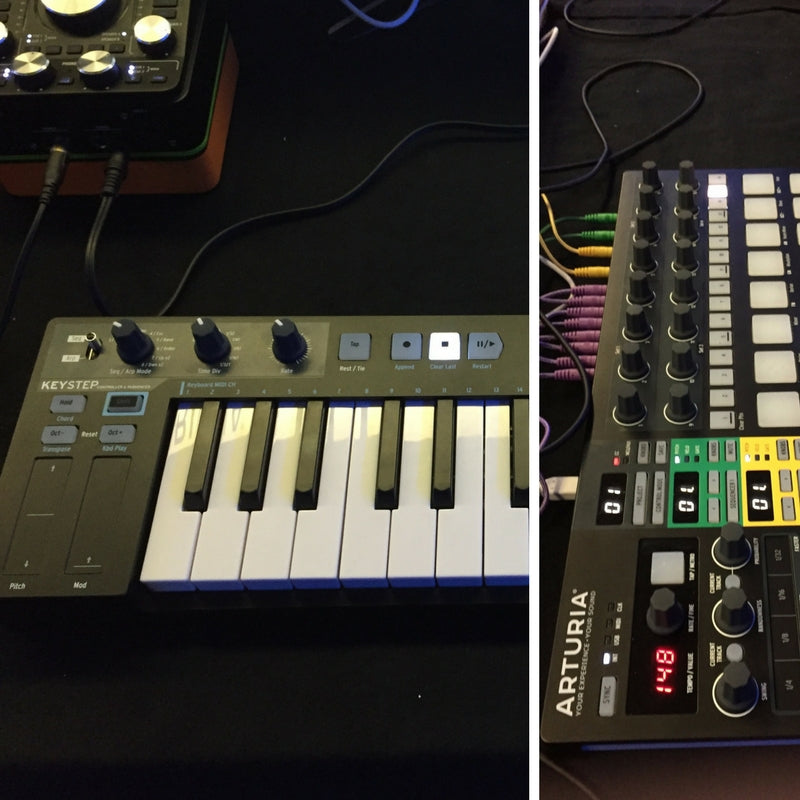
Arturia stand we were able to see the new
Black versions of the best sellers,
Beatstep Pro and
Keystep, which in our opinion give them a more professional look.
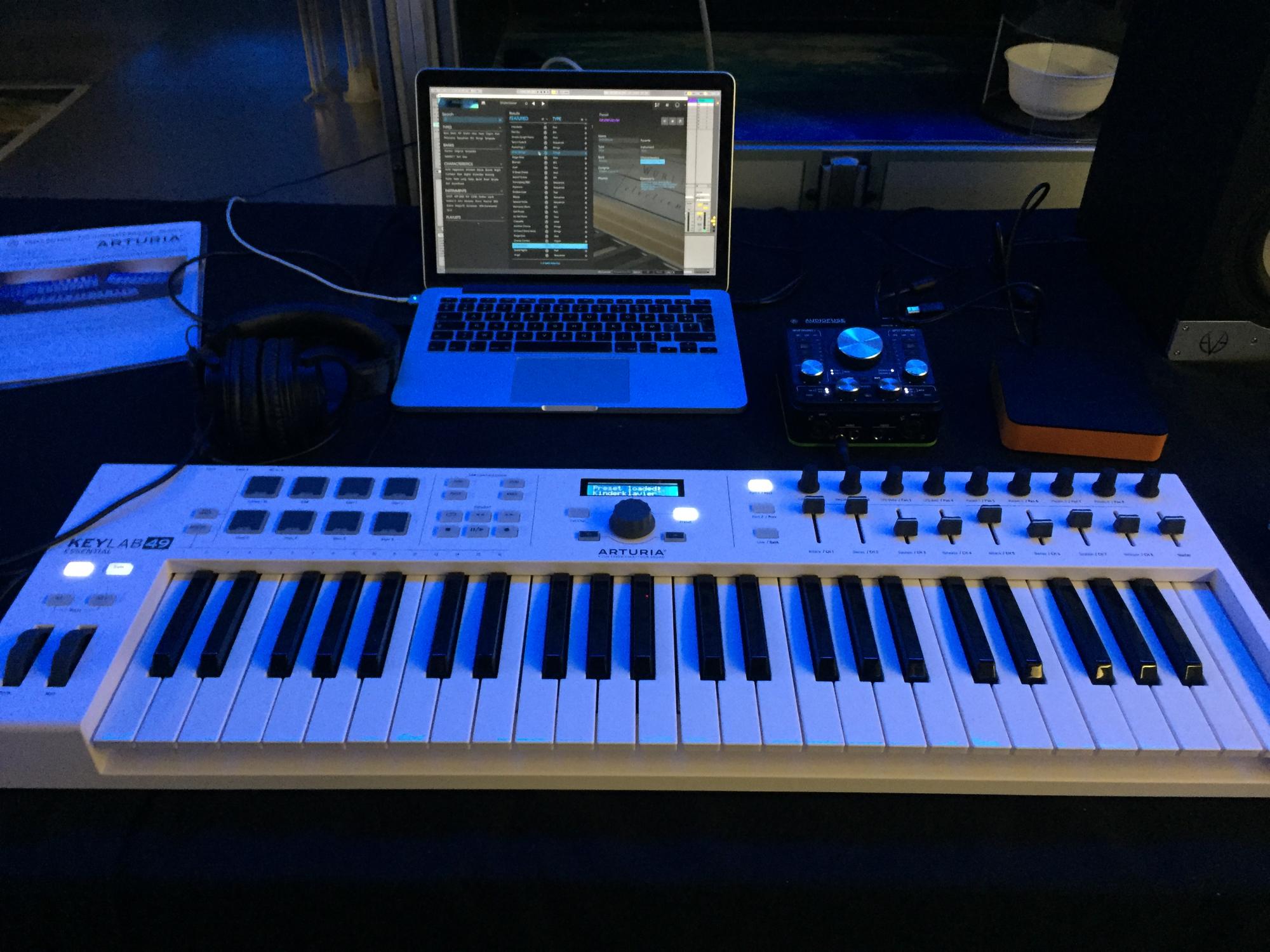
Stop moving around too much, we were able to see and try the
49-key version of the new
Keylab Essential 49 and
Keylab Essential 61 We can venture to say that they will be a huge success, due to their good finish, the good layout of all their controls and the
great collection of more than 5,000 sounds that accompany them coming from the
version 2 of Analog Lab.
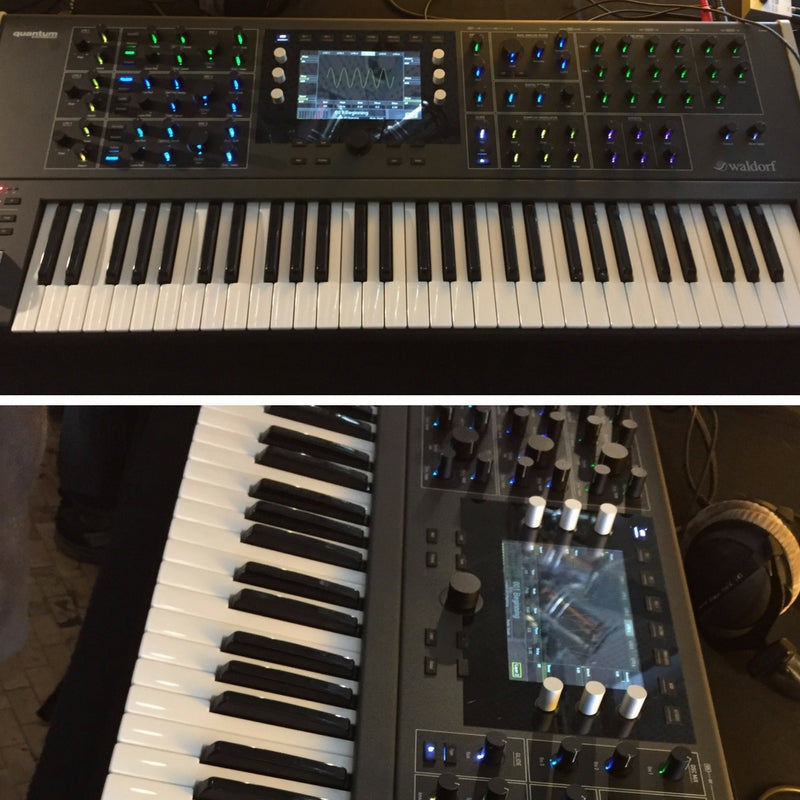
Waldorf also showed off by presenting
its new Quantum synthesizer, which promises to be the flagship of the brand with a whole array of technology, its
touch screen, 2 analog filters, 3 oscillators with a
hybrid architecture and its 8 voices of polyphony. We will continue to closely follow all the news that Waldorf will offer us about Quantum.
Continuing with our tour, we made an absolutely necessary stop at the
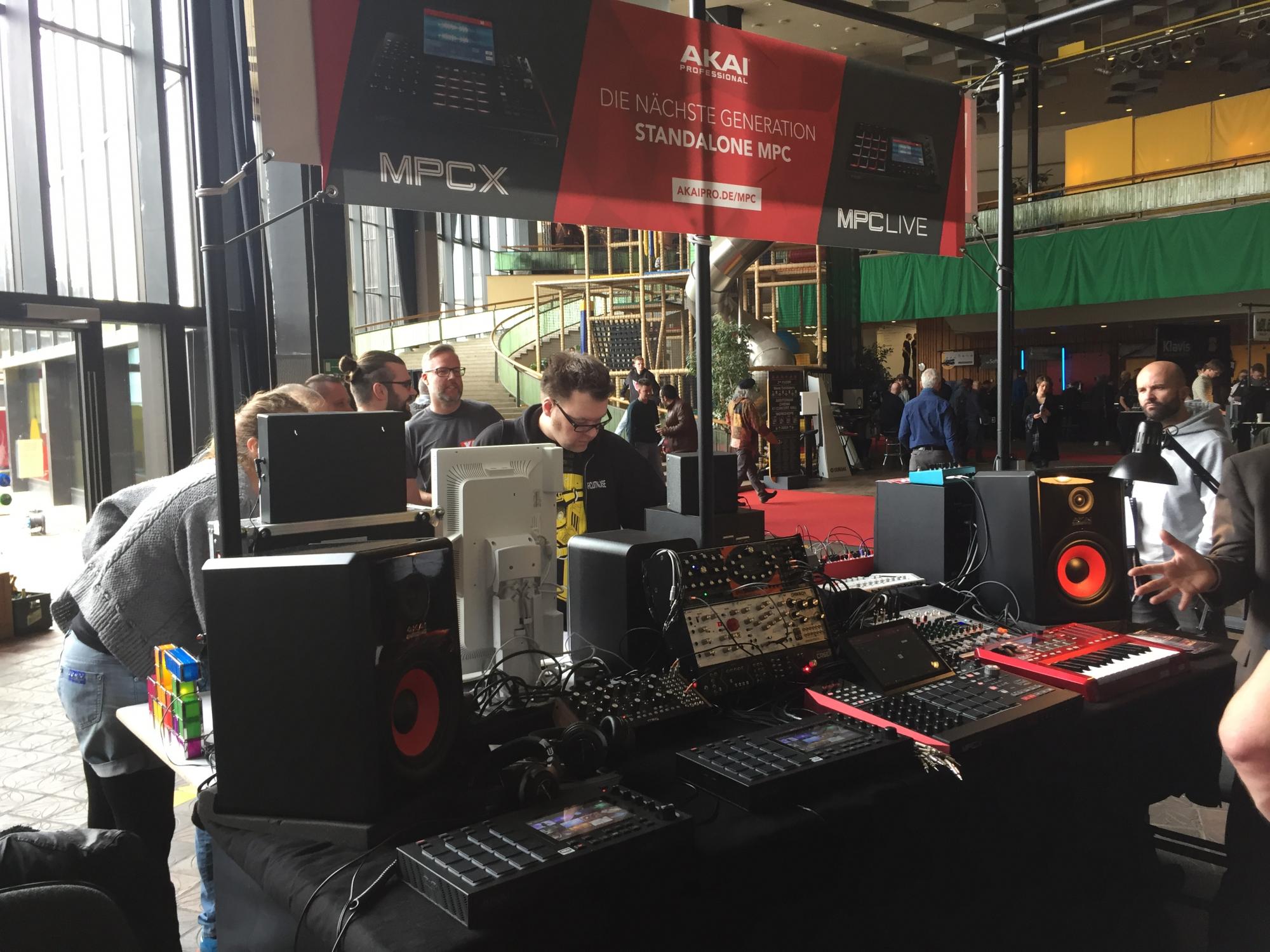
AKAI Stand to get to know closely the two new creatures of the
MPC family. This time
two completely independent systems, as all the MPCs should have been since their birth back in 1988. First, we came across
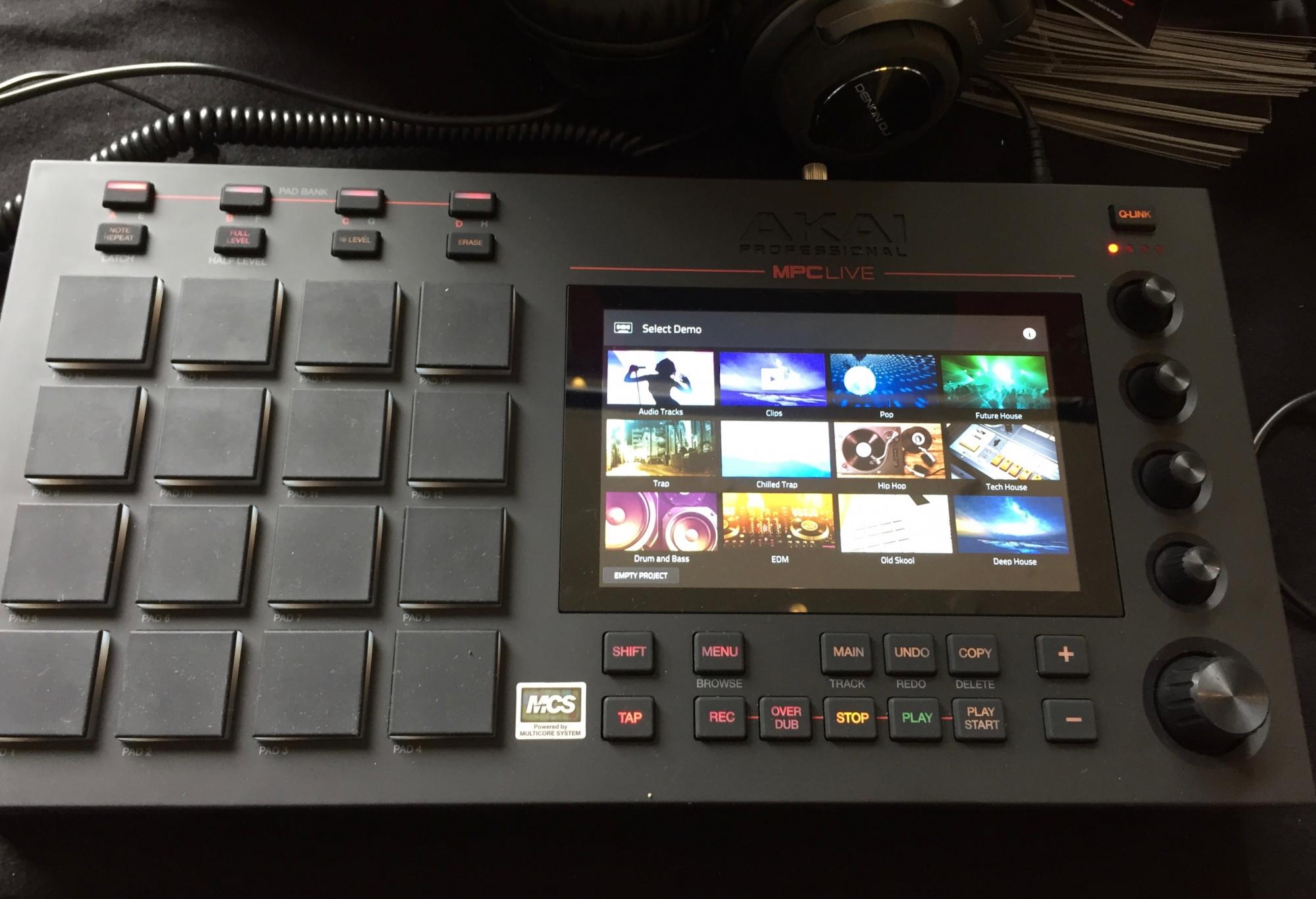
AKAI MPC Live, which we could call the
standalone version of the
MPC Touch, undoubtedly a great system concept with which we can now
work without depending on a computer.
Secondly
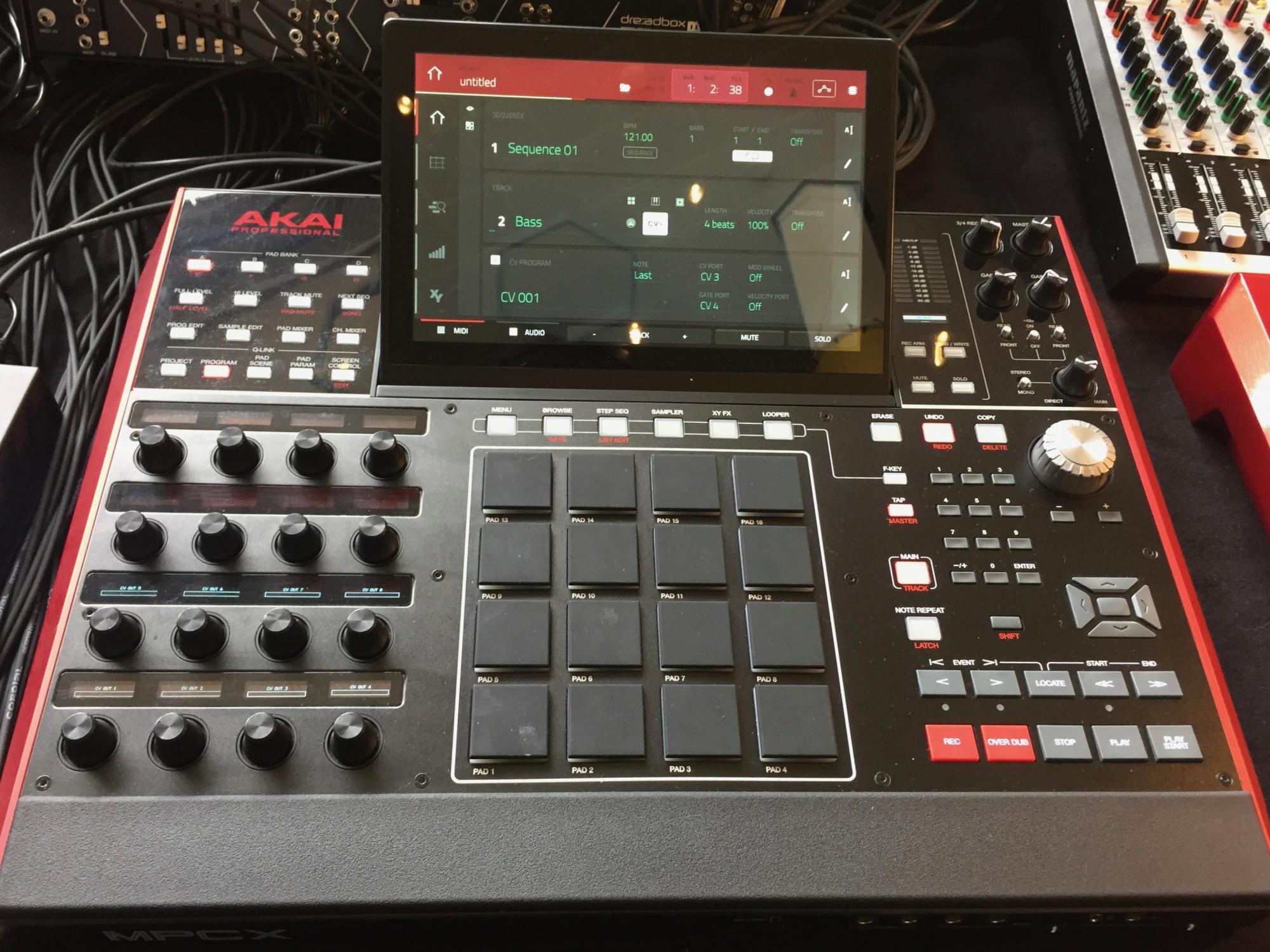
Akai MPC X, which we hope will be the
return of AKAI to the longed-for and classic MPC systems, offering us a product completely updated to the new standards and needs like its great
10.1” touch screen, its 16 RGB pads and its 16 rotary controllers with their small OLED screens. Continuing with its main features, it has a capacity of
16Gb storage, of which 10Gb are library already pre-installed with
samplers and Kits from high quality designed by companies like
CAPSUN ProAudio, MVP Loops and CR2 Records.
If you worry about capacity, the
MPC X allows
installing an additional HDD or SSD. As for connectivity, you couldn't ask for more,
RCA connection with RIA pre-amplifier to be able to connect a turntable directly for sampling,
2 MIDI Inputs, 4 MIDI Outputs and, as a novelty in the MPC family, they have equipped the X with
8 configurable CV/GATE outputs to be able to control modular synthesizers or classic synthesizers.
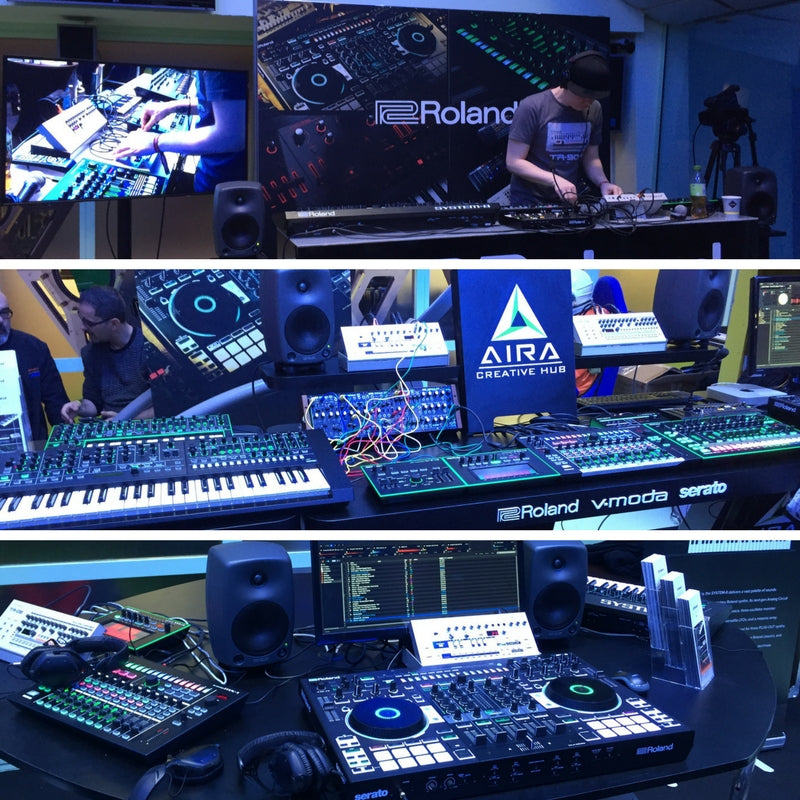
Roland for its part, put at the disposal of visitors a very large space with a
booth where several DJs offered us demonstrations of the possibilities of the powerful
Roland DJ 808, along with the rest of the
Aira range and the
new Boutique TR-09,
TB-03 and
VP-03.
Another of the companies from which we expected great news, was undoubtedly
Behringer. We were able to see the
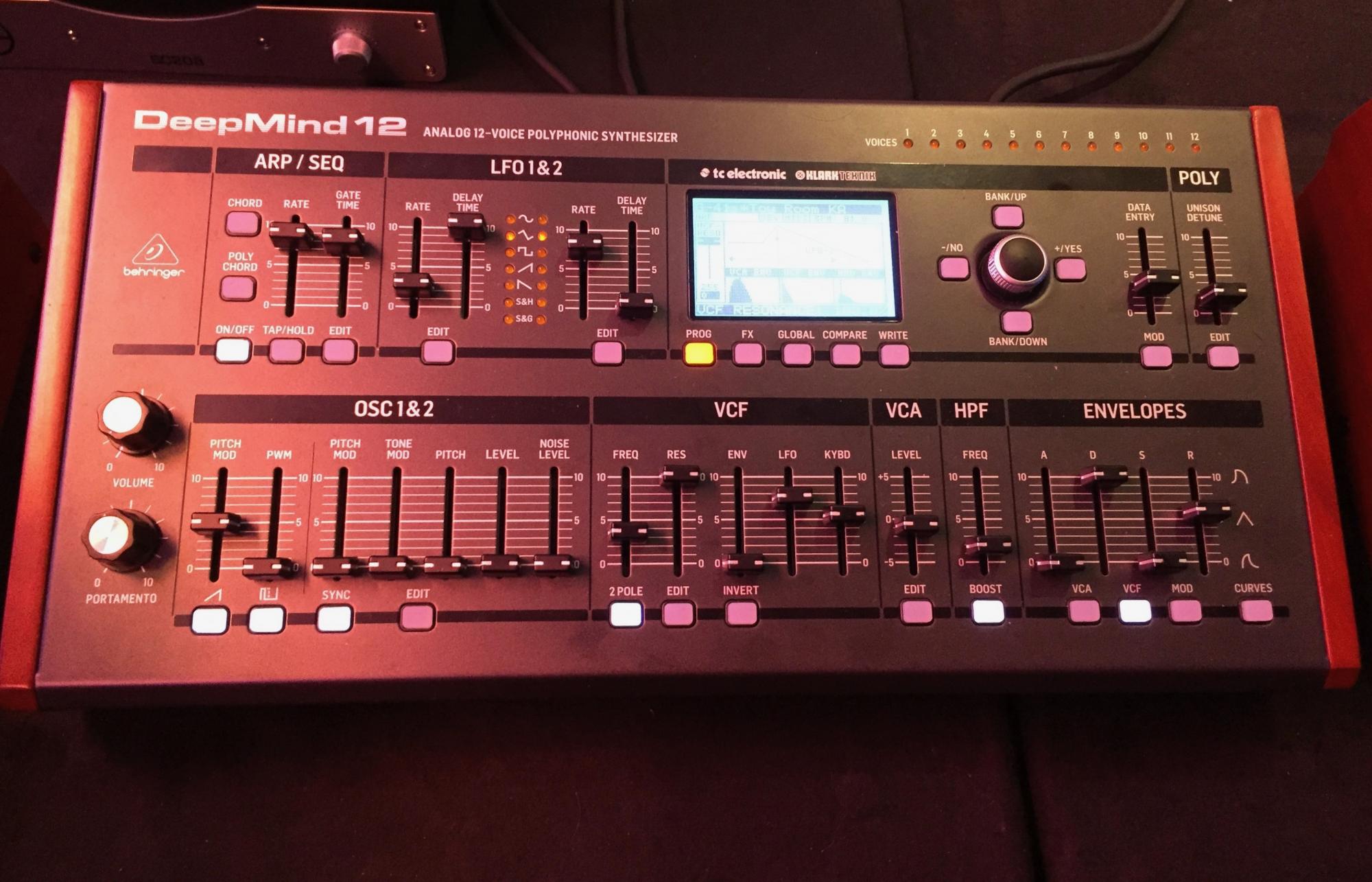
desktop version of
DeepMind 12, which is already being a sales success. This desktop version has practically the same features as DeepMind 12 without the keyboard and with a
very interesting addition called
Poly-Chain that
allows chaining several DeepMinds and thus expand its polyphony.
Also at their stand we came across the new
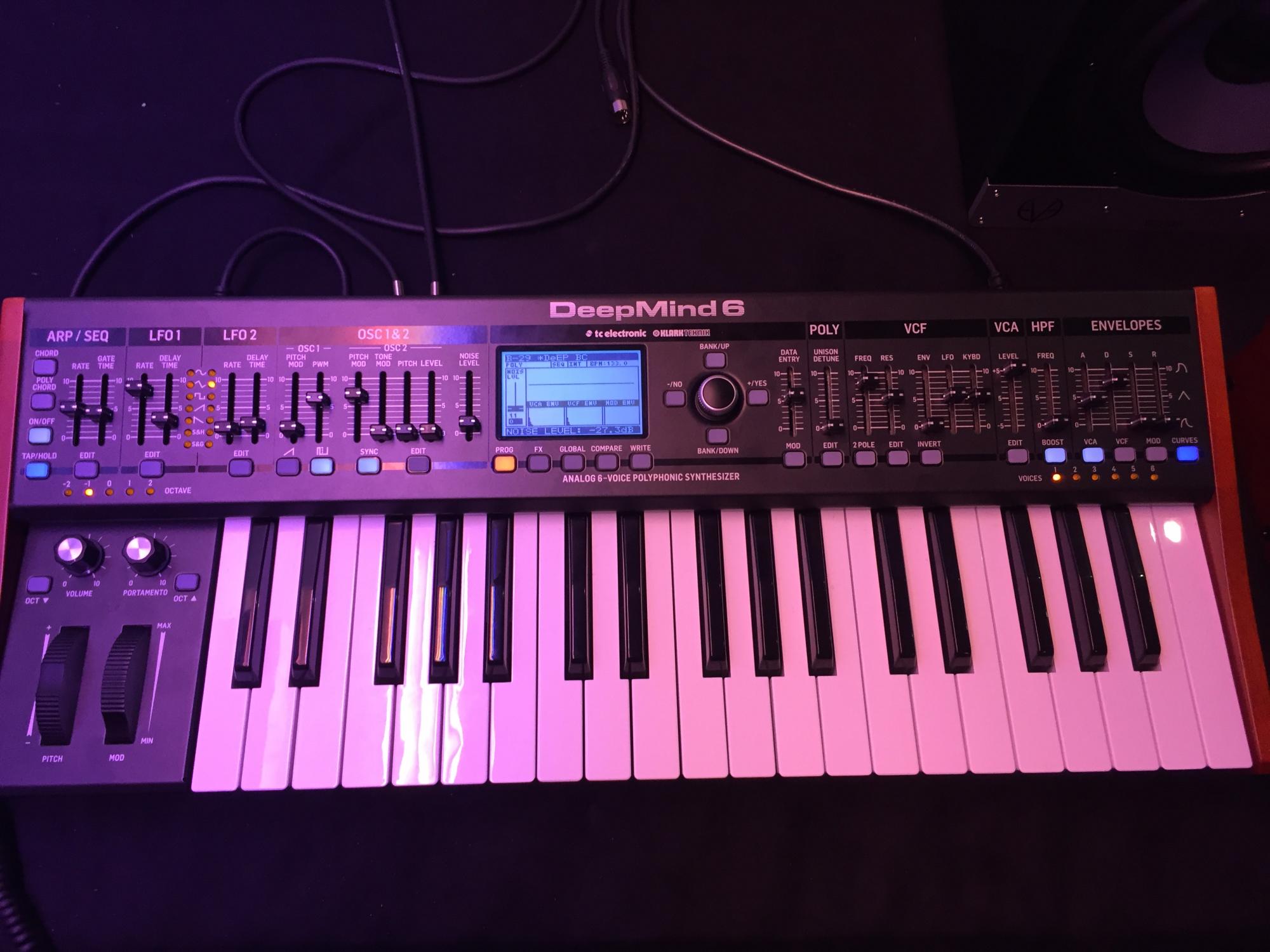
DeepMind 6, a reduced version of the 12, with a
3-octave keyboard and half the polyphony of its older brother.
Already on our second day of the fair, we can say without a doubt that we were very lucky to be able to witness a
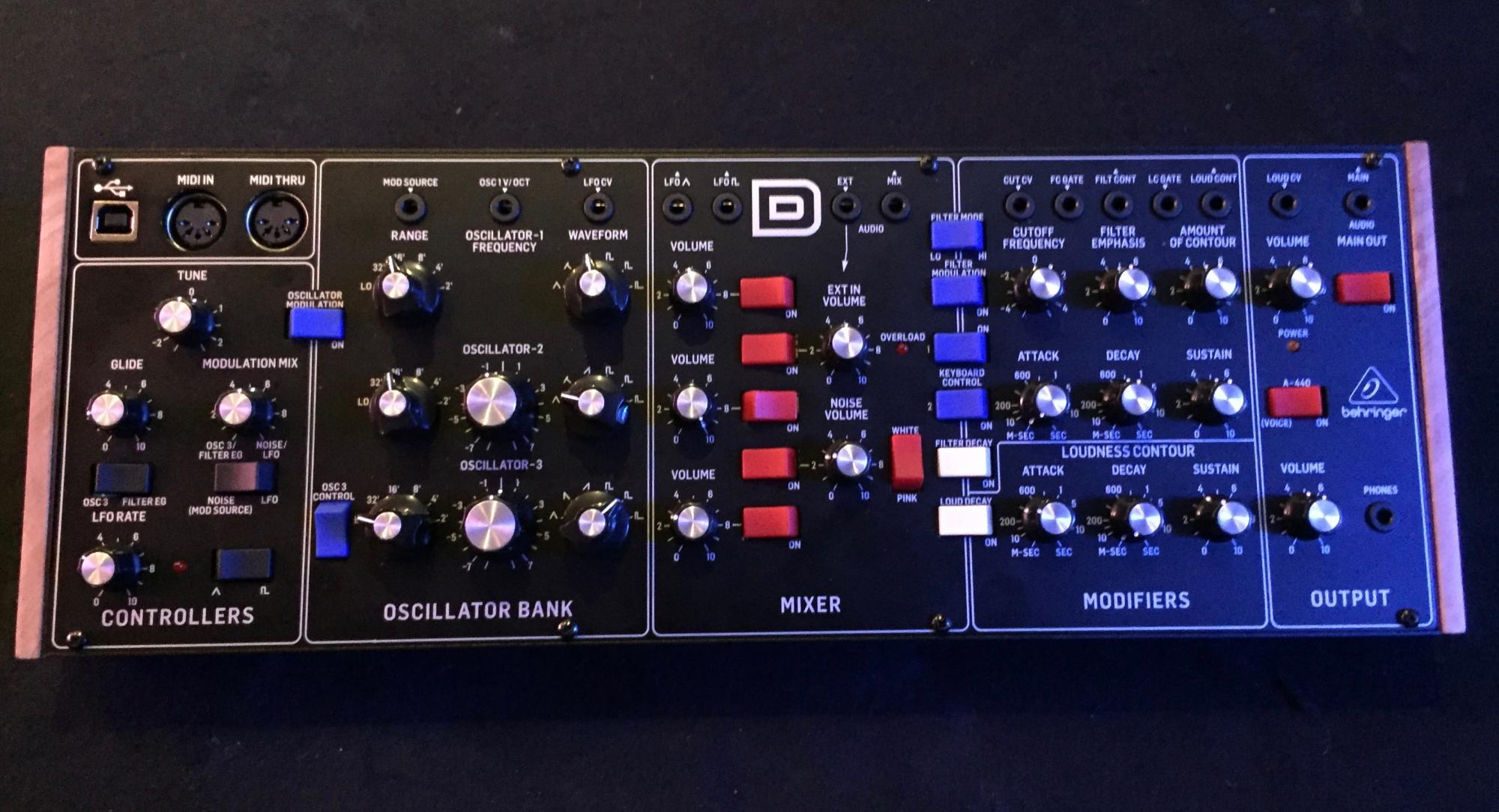
small demo of Behringuer D, of which we could assure it was a
prototype that still lacked some details to be finished. From what we could find out,
the look is practically the final one, as is its size, which is very close to the
Boutique series of Roland and with a very similar price, which will be around 399€.
[video:https://vimeo.com/215014821 width:500 height:400 align:center]
At the stand of
Elektron, as expected,
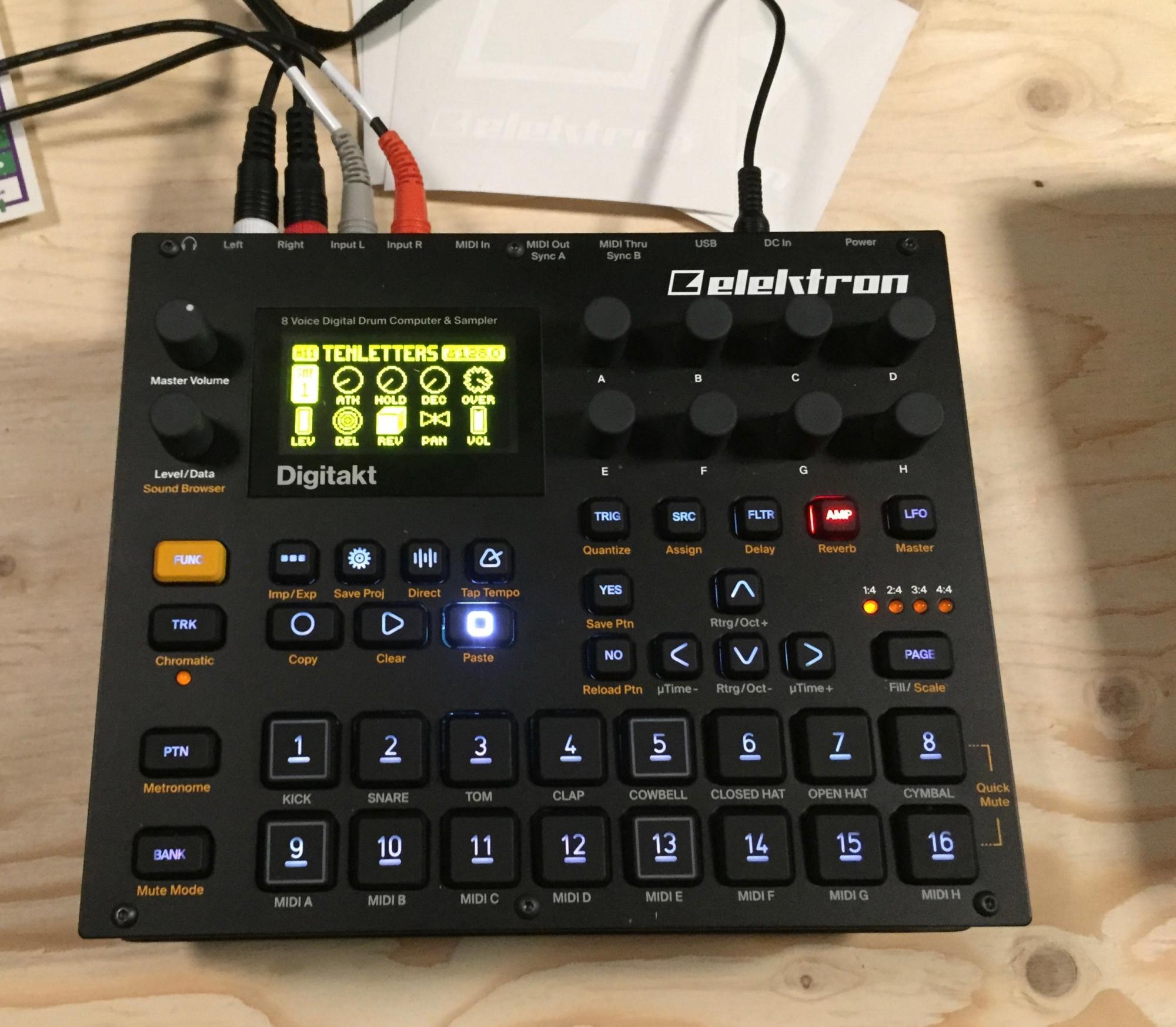
Digitakt was the absolute protagonist. To quote some details, it is a
compact unit that houses a
digital drum machine with
8 internal audio tracks and 8 midi tracks to sequence
external instruments. We hope to be able to communicate to you soon the availability in our stores.
Finally, we cannot be more
grateful to the Yamaha Spain team for the welcome they gave us and in whose stand - by the way, very beautiful with a stage and a great led screen - we were able to see the newly arrived
Yamaha MX88. It has an
88-key keyboard with the quality we are accustomed to from
Yamaha, and a collection of more than
1000 sounds based on Motif, so you can get an idea of the sound quality, with
128 voices of polyphony and connectivity ideal for a keyboard of these characteristics. The
USB port complies with the
USB Audio and MIDI class-compliant standards, which allows it to record and play stereo audio to and from a computer or iOS device.
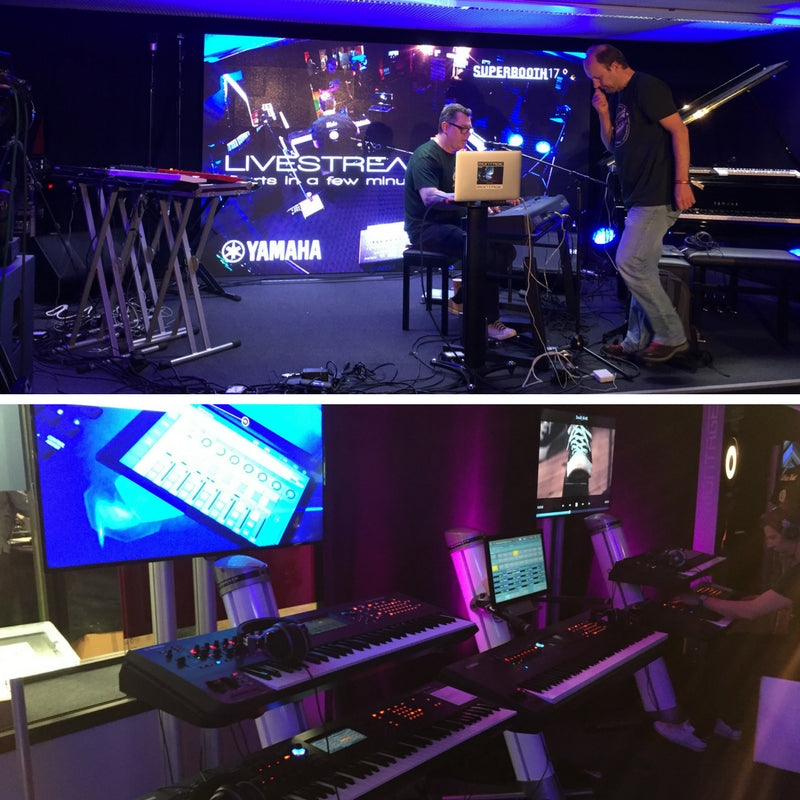
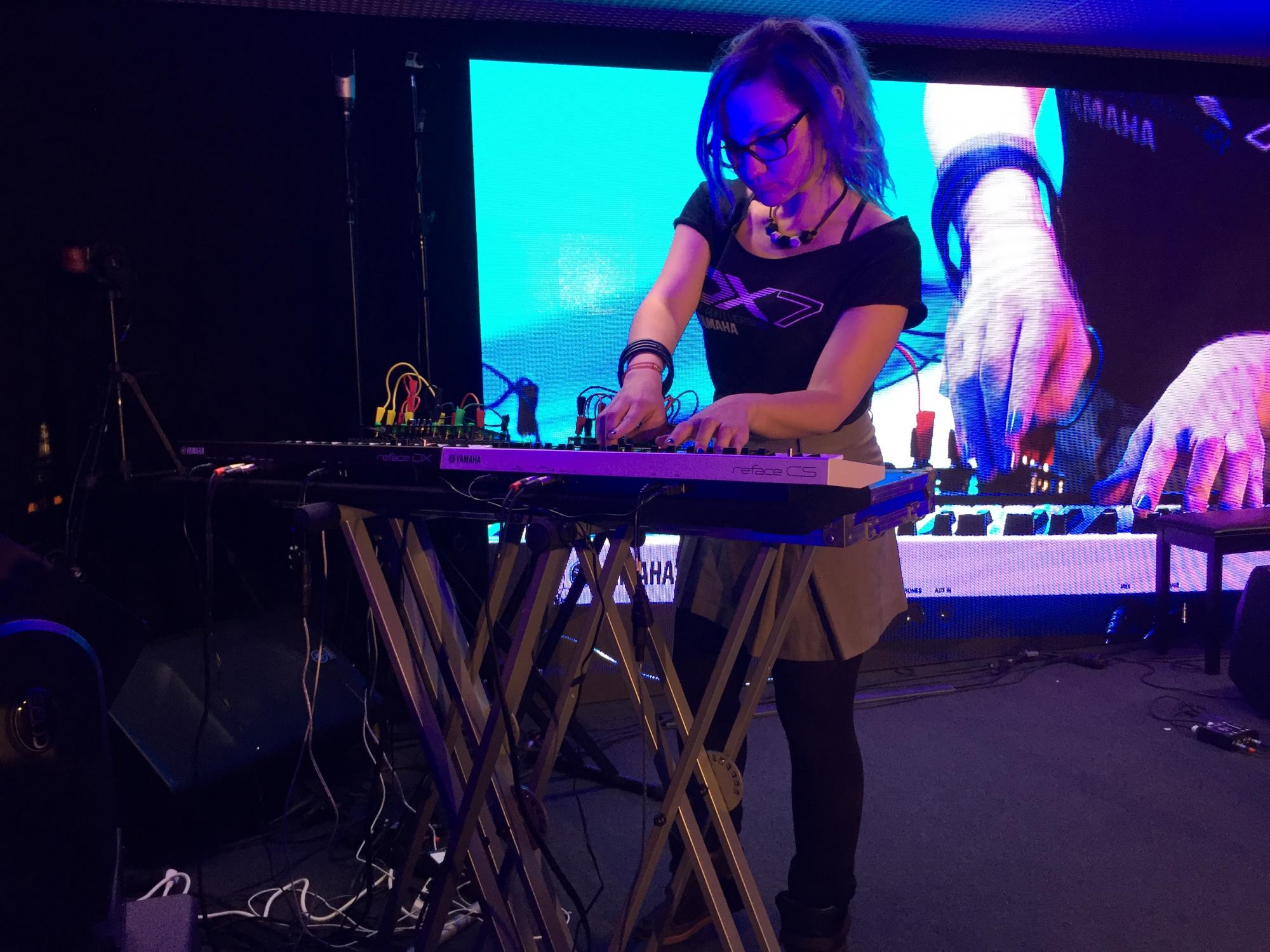
Once we saw the virtues of MX88, we took a few minutes of relaxation and stayed to enjoy the
performance of Moira Muñoz who showed us the
possibilities of Reface CS and
Reface DX in an
electronic music set of which we leave you a small fragment.
[video:https://vimeo.com/215018883 width:500 height:400 align:center]
Thank you for your attention and we hope you liked this chronicle of our visit to Superbooth17.
We repeat next year!
MICROFUSA / BARCELONA STORE
Sepúlveda, 134. Barcelona / Tel.: 934 553 695
MICROFUSA / MADRID STORE
Campoamor, 17. Madrid / Tel.: 917 024 587
MICROFUSA / ONLINE STORE


